

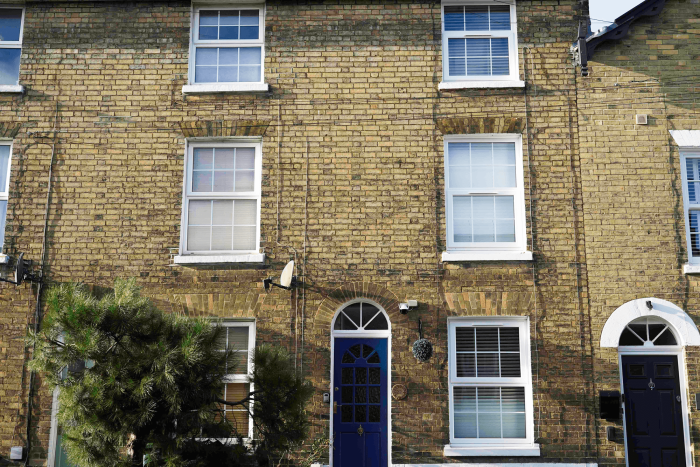
Many seafarers own UK property alongside their work at sea, whether that’s a long-term rental or a furnished holiday let used between contracts.
While your earnings at sea may qualify for seafarer tax relief, property expenses follow different tax rules. Understanding whether a cost counts as a repair or capital expenditure is key to reporting your income correctly.
The basic principle is that expenditure spent repairing your rental property can be claimed against income, where capital expenditure is claimed when you sell.
There are different rules depending on whether you let a residential rental property or operate a Furnished Holiday Let (FHL), making the distinction even more important.
Furnished Holiday Let vs Residential Let: What Is the Difference?
When investing in property, it’s essential to understand the difference between a Furnished Holiday Let (FHL) and a Residential Let. Although both generate rental income, they are treated very differently for tax and practical purposes in the UK.
What Is a Furnished Holiday Let?
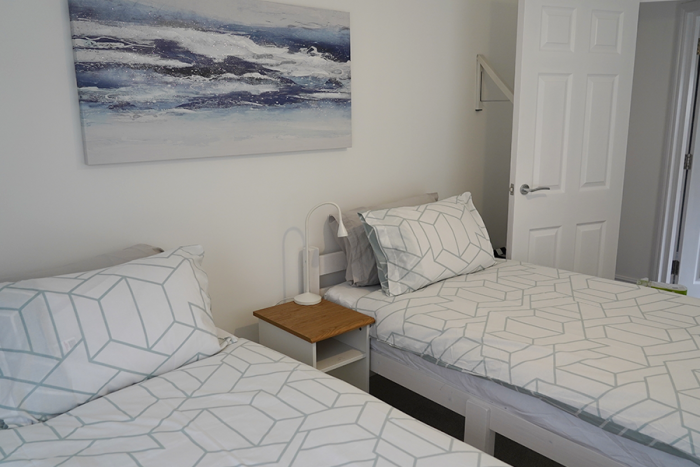
A Furnished Holiday Let is a property rented out on a short-term basis to holidaymakers. It must be:
- Fully furnished.
- The property must be available for commercial holiday letting to the public for at least 210 days per year. Note, days your friends or family use the property for free or reduced rate do not count.
- Actually, let’s pay customers for at least 105 days per year.
- The property cannot be occupied for long-term stays (over 31 consecutive days) for more than 155 days in total during the year.
- The property must be let with the intention of making a profit
- The property must be in the UK or EEA.
VAT
If you own several furnished holiday lets in the UK, and your income exceeds the UK VAT registration threshold of £90,000 in any rolling 12-month period, then you are required to register for VAT with HM Revenue & Customs.
As holiday letting is a taxable supply, once registered, you must charge VAT (currently 20%) on future bookings and submit a VAT return four times a year. The good news is that you are able reclaim VAT on eligible business expenses.
What Is a Residential Let?
A Residential Let is a property rented on a long-term basis, usually as a tenant’s main home. These properties are commonly let under an Assured Shorthand Tenancy (AST) and are taxed under standard property income rules.
A residential let can be defined as a property that:
- Is let as somebodies home.
- Is typically occupied under a long-term agreement.
- May be furnished or unfurnished.

Expenditure
If you have just purchased a rental property and need to buy furniture, make repairs or complete a major refit, it’s important to understand what you can and can’t claim for. There are two types of expenditure to be aware of, Capital and Repair costs.
There are two types of expenditure to be aware of, Capital and Repair costs.
Capital Expenditure
Capital expenditure is money spent to improve or upgrade a property beyond its original condition. These costs cannot usually be deducted from rental income in the year they are incurred. Instead, they are typically added to the property’s base cost and may reduce Capital Gains Tax (CGT) when the property is sold.
You can’t claim money spent on capital improvements to your property on your annual self-assessment tax return.
Common Examples of Capital Expenditure
- Building an extension, or any building works.
- Replacing the roof (not replacing a few tiles, this would be considered maintenance).
- Replacing a bathroom or kitchen.
- Replacing the heating system, boiler.
- Upgrading single glazing to double glazing if the property never had double glazing.
Repair costs
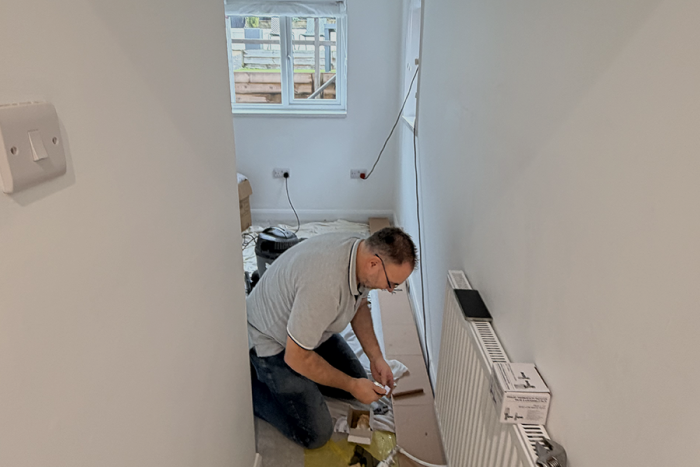
A repair restores an existing asset to its original condition without improving it. For most landlords, repair costs are fully deductible against rental income in the year they are incurred, reducing your income tax bill for the tax year the repair was made.
Common examples of repairs would be:
- Replacing broken roof tiles.
- Fixing a boiler.
- Repainting walls due to wear and tear.
- Replacing like-for-like kitchen units.
- Repairing gutters or windows.
- Decorating costs (assuming you’re maintaining the property to its existing condition).
- Replacing carpets with similar quality flooring.
The key test is whether the repair work maintains the property’s existing standard. For example, if you replaced a broken oven which is now obsolete, with a modern replacement, then this would be classed as a repair as the old oven is no longer available.
However, the replacement must serve the same function and can’t be a significant upgrade in quality and performance. If the replacement oven is an upgrade, then it would be considered as capital expenditure.For further guidance, please read PIM2025.
It can be hard to distinguish between repairs and expenditure; it is a grey area!
Self-Assessment tax return
As an individual landlord, you will need to complete a self-assessment each year to report your income, expenses, and therefore your profit. You may need to pay tax on any profits you make, but this depends on your personal circumstances.
Buying a property personally or through a limited company
When buying a property in the UK, there are important differences between purchasing personally and through a limited company, particularly around tax, costs, and long-term planning.
Buying Personally
Buying personally is simpler and usually involves lower setup and running costs. Rental profits are taxed as an individual through a self-assessment tax return. Individual landlords can no longer deduct interest from their rental income, instead HMRC provides a tax credit of 20% off mortgage interest payments. When you sell, any gain is subject to Capital Gains Tax. This route is commonly preferred by basic-rate taxpayers or those buying a single property.
Limited Company
Buying via a limited company means the property is owned by the company, which pays corporation tax on profits instead of income tax. Mortgage interest is generally fully deductible, which can be more tax-efficient for higher-rate taxpayers.
However, buying a property via a Limited Company usually involves higher mortgage rates, extra administration, and additional tax if you later extract profits personally (for example through dividends). Sales are subject to corporation tax rather than personal Capital Gains Tax.
Company accounts
Limited Companies must submit statutory accounts to HMRC each year and there are several obligations that the Directors of the Limited Company must comply with.
In both cases, Stamp Duty Land Tax applies, and companies usually pay the 3% higher-rate surcharge. The best option depends on your tax position, future plans, and whether you intend to grow a property portfolio, so taking advice from a tax adviser or HM Revenue & Customs guidance is strongly recommended.