
Think of STCW as not one certificate.
It’s five, taught together over five days, and they don’t all last the same length of time.
Three certificates last forever. The other two, which are the practical elements, need refreshing every five years.
How STCW works in practice
When people talk about “STCW” they usually mean STCW Basic Safety Training, the five-day course every seafarer on a commercial vessel has to complete before joining a ship.
It is easy to think of this as one qualification with one expiry date, but it isn’t. It is a bundle of five separate modules taught together, and they each behave differently when it comes to validity.
Two of them expire and you’ll need to refresh every 5 years:
The other three don’t expire at all:
Once you’ve done that second group, they sit on your record for the rest of your career.
So when someone tells you “STCW expires after five years,” they are half right. Two modules do.
Why some parts expire and others don’t
The split makes more sense once you look at what each module actually teaches.
The ones that need refreshing are the ones built around physical emergency response at sea.
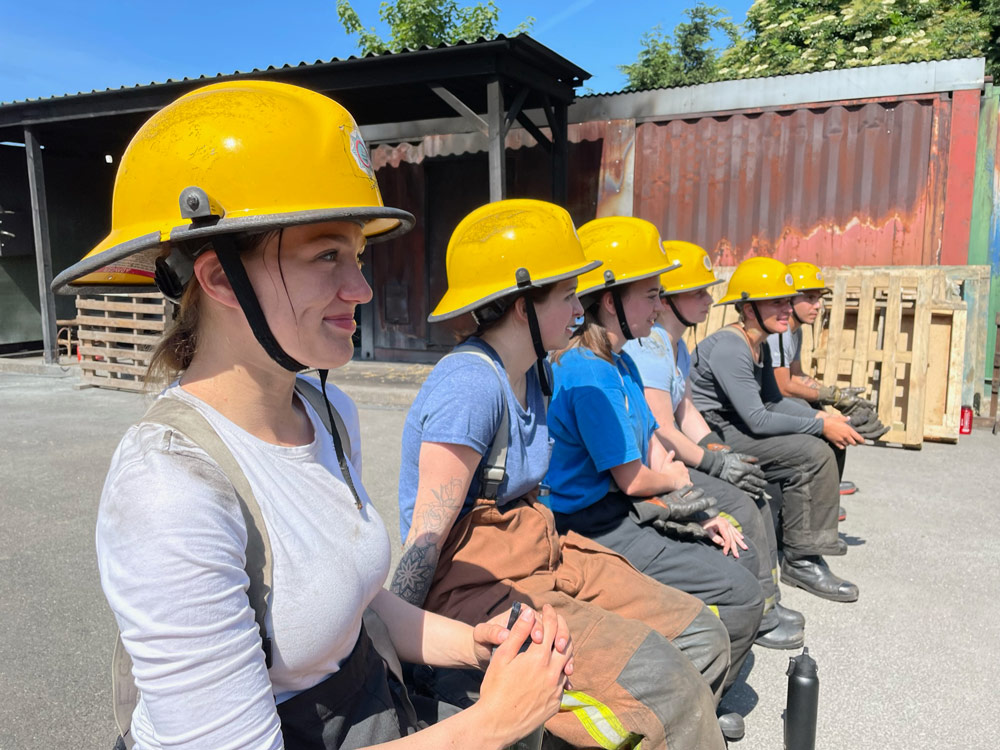
Fire Prevention and Fire Fighting covers the use of firefighting equipment, breathing apparatus, and the techniques for controlling and extinguishing fires onboard.
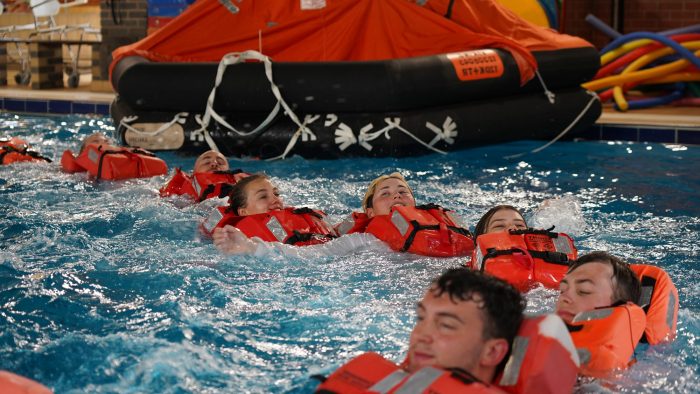
Personal Survival Techniques covers what to do if a vessel has to be abandoned: getting into the water safely, boarding a liferaft, and staying alive in an emergency situation at sea.
These are physical skills, and they are skills most crew rarely use day to day. Five years is long enough for the muscle memory to fade, and the refresher exists to put it back. If a fire breaks out, or a vessel has to be abandoned, the response needs to be automatic.
The other three modules work differently. Elementary First Aid, PSSR and Security Awareness are knowledge-based, and the kind of knowledge that doesn’t really go away once you’ve got it. Recognising hazards, understanding your responsibilities as a crew member, knowing what to look out for in terms of security threats: none of that needs to be physically practised every few years to remain useful.
Some employers may still ask for additional or updated training of their own, but under STCW rules these qualifications stay valid throughout your career.
It’s worth flagging that the same five-year rule applies beyond Basic Safety Training. As you progress in your career, you may be required to complete additional STCW courses, and the practical ones follow the same pattern. The modules that need refreshing every five years are:
- Personal Survival Techniques (PST)
- Fire Prevention and Fire Fighting (FPFF)
- Proficiency in Survival Craft and Rescue Boats (PSCRB)
- Advanced Fire Fighting (AFF)
PSCRB and AFF are not part of the standard five-day Basic Safety Training course, but they are common requirements for crew moving into more senior or safety-critical roles.
The principle is the same: practical, hands-on emergency training has to stay current, because the skills it teaches have to work first time when they’re needed.
What this means for you
If you’ve already done STCW, the question is whether the two time-limited modules are still in date.
- Start by finding your STCW certificates
- Check the issue dates on Fire Fighting and Personal Survival
- See whether five years have passed
If you did the full course in one go, as most people do, the dates will be identical.
If five years have passed, those parts of your STCW are out of date and will need refreshing before you can join a commercial vessel.
This applies to anyone working on a commercial ship, and that includes superyachts operating commercially. The same rules cover ferries, cruise ships, and merchant vessels.
If your role involves safety responsibilities, your employer will check your certificates before you join, and expired modules are not something they can sign off on.
The good news is that renewing doesn’t mean redoing the whole course. The STCW Refresher is specifically designed for this.
It is shorter than the original five-day programme, focused on practical reassessment of firefighting and personal survival, and it does not touch the modules that don’t expire.
If your First Aid, PSSR and Security Awareness are intact, they stay intact. You only do what needs renewing.
Flying Fish runs STCW Refresher training throughout the year at our Cowes base. If you’re not sure where you stand, or whether refresher training is what you need, get in touch and we can help you work it out.
FAQs
Does STCW expire after 5 years?
Not entirely. STCW Basic Safety Training is made up of five modules. Only two of them, Fire Prevention and Fire Fighting and Personal Survival Techniques, need refreshing every five years. The other three do not expire.
What happens if my STCW has expired?
If the modules that require refresher training have passed the five-year mark, you may not be permitted to join a vessel until they are renewed. You would need to complete an STCW Refresher course before returning to work.
Do I need to redo the full STCW course?
No. The STCW Refresher course covers only the modules that need renewing. You do not need to repeat the full five-day programme.
Can I still work if my STCW is out of date?
Commercial vessels are required to follow STCW regulations, which means employers cannot accept expired certificates for safety-critical roles.
You would need to renew before joining a vessel.
If you’re not sure whether your STCW is still valid, take a look at the STCW Refresher Course or get in touch and we’ll help you work out exactly what you need.