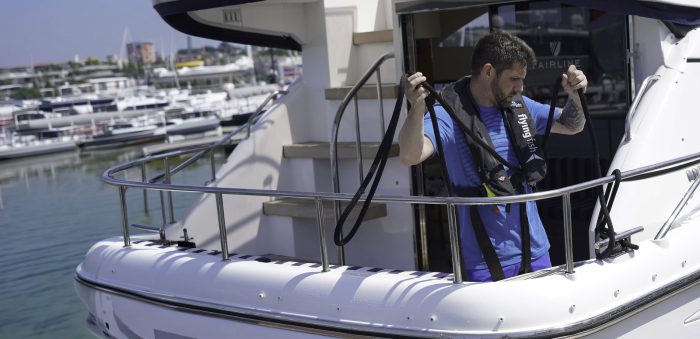

STCW – the International Convention on Standards of Training, Certification and Watchkeeping, sets the minimum safety standards that seafarers must meet to work on commercial vessels worldwide This applies to all cargo ships, ferries, cruise ships, offshore vessels, and superyachts.
STCW Training can only be delivered by an approved training centre. In the UK the Maritime and Coastguard Agency (MCA) approves training providers.
Looking to complete STCW Basic Safety Training? View course dates, prices and availability.
STCW at a Glance
- STCW is an international maritime safety convention
- It sets minimum training and safety standards for seafarers worldwide
- It applies to crew working on commercial vessels
- Most seafarers meet STCW requirements by completing STCW Basic Safety Training
- Training must be completed at an approved training centre
What does STCW stand for?
STCW stands for the International Convention on Standards of Training, Certification, and Watchkeeping for Seafarers. The convention was established by the International Maritime Organisation (IMO) to ensure the safety and competence of seafarers globally. While the IMO sets these international standards, enforcement happens through national authorities, in the UK, that’s the Maritime and Coastguard Agency (MCA).
To work on a ship, you must finish an STCW Basic Safety Training Course. This applies across the commercial maritime sector.
Why STCW exists
Ships cross international waters and visit multiple countries during their working lives. Before STCW, different countries had different training standards, making it difficult for seafarers to work internationally and for employers to know if crew were properly qualified.
STCW created a single set of minimum standards recognised worldwide. This means a certificate issued in the UK is accepted in the Mediterranean, the Caribbean, or anywhere else. For seafarers, it provides international portability. For employers and flag states, it guarantees that crew have met baseline safety competencies. For passengers and cargo owners, it means crews are trained to handle emergencies regardless of where the ship is registered or operating.
STCW vs STCW Basic Safety Training: What’s the difference?
This is where people often get confused, so let’s clear it up.
STCW itself isn’t a course, it’s the international framework that sets the rules. Think of it as the legal foundation that says “here’s what seafarers need to know to work safely at sea.”
STCW Basic Safety Training is the most common entry-level course used to meet those STCW requirements. It’s how most people entering the maritime industry, including superyacht crew, demonstrate they’ve met the convention’s minimum safety standards.
When someone says “I need to do my STCW,” they’re almost always talking about STCW Basic Safety Training. See dates for our STCW course here.
How STCW is used in practice
When you apply for a seafaring role, employers will check you hold valid STCW certificates from an approved training centre. Flag state inspections also verify that crew certificates are in order before a vessel can operate commercially.
This is why the training must come from a recognised provider – employers, flag states, and port authorities need to trust that your certificates represent genuine competency. Without valid STCW certification, most seafarers cannot legally work on a commercial vessel, regardless of experience or other qualifications they may hold.
Changes to STCW – A brief timeline
STCW 1978
The original STCW convention was adopted in 1978, establishing the first international standards for maritime training and certification.
STCW 1995 (“STCW 95”)
In July 1995, the STCW code underwent an update, primarily making administrative changes to maintain the convention’s relevance.
Back then, crew joining the maritime industry would call the STCW course the STCW 95 course.
Although the training standards have been updated over time, many people still use older terms like “STCW 95” informally – even today people still refer to the STCW Basic Safety Training course as STCW 95.
Manila Amendments 2010 (implemented 2014)
As the maritime industry changed, it required further amendments to the STCW code. IMO members reached an agreement in 2010, known as the Manila Amendment.
The amendments to the STCW code set new training standards and certification for seafarers. These changes came into force in 2014. The major changes that affected crew entering the maritime industry were:
The introduction of the Security Awareness course, to teach new seafarers about the dangers of piracy and armed robbery at sea.
Starting in 2017, seafarers must refresh their STCW firefighting and Personal survival certificates every five years.
STCW Basic Safety Training
This is the practical side, what you actually learn when you complete STCW Basic Safety Training to meet the convention’s requirements. The STCW Basic Safety Training Course teaches seafarers how to respond in emergencies while at sea.
STCW Basic Safety Training comprises five separate elements, each preparing Seafarers for the challenges of working at sea. This comprehensive training program typically lasts around a week and covers the following:
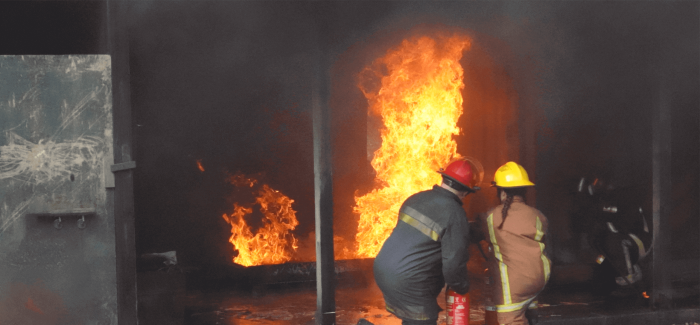
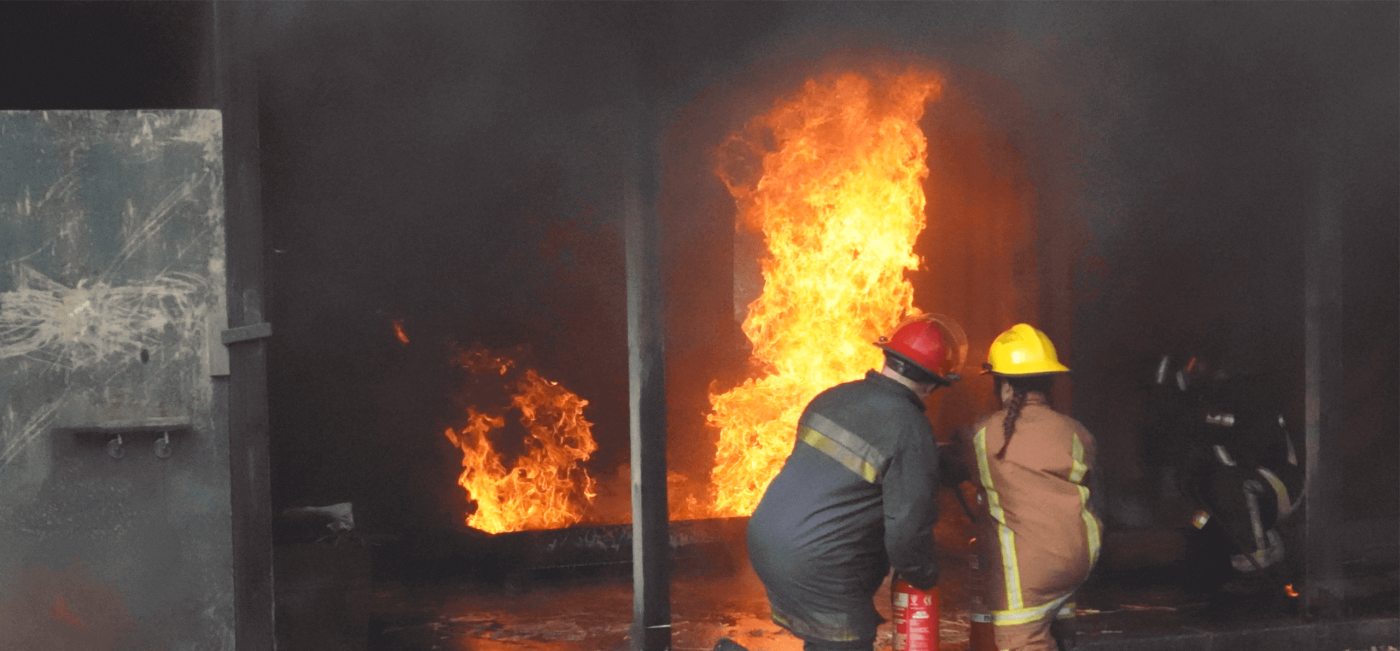
- Fire Fighting and Fire Prevention. This Course teaches seafarers how to prevent and combat fires on board a vessel. You will learn about different types of fire extinguishers, firefighting equipment, breathing apparatus, and techniques to control and extinguish fires effectively.
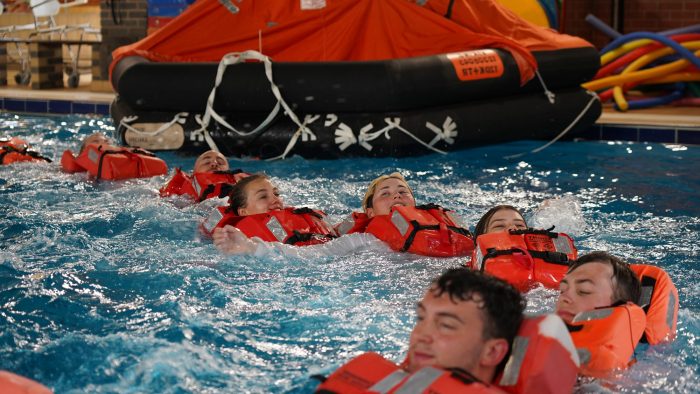
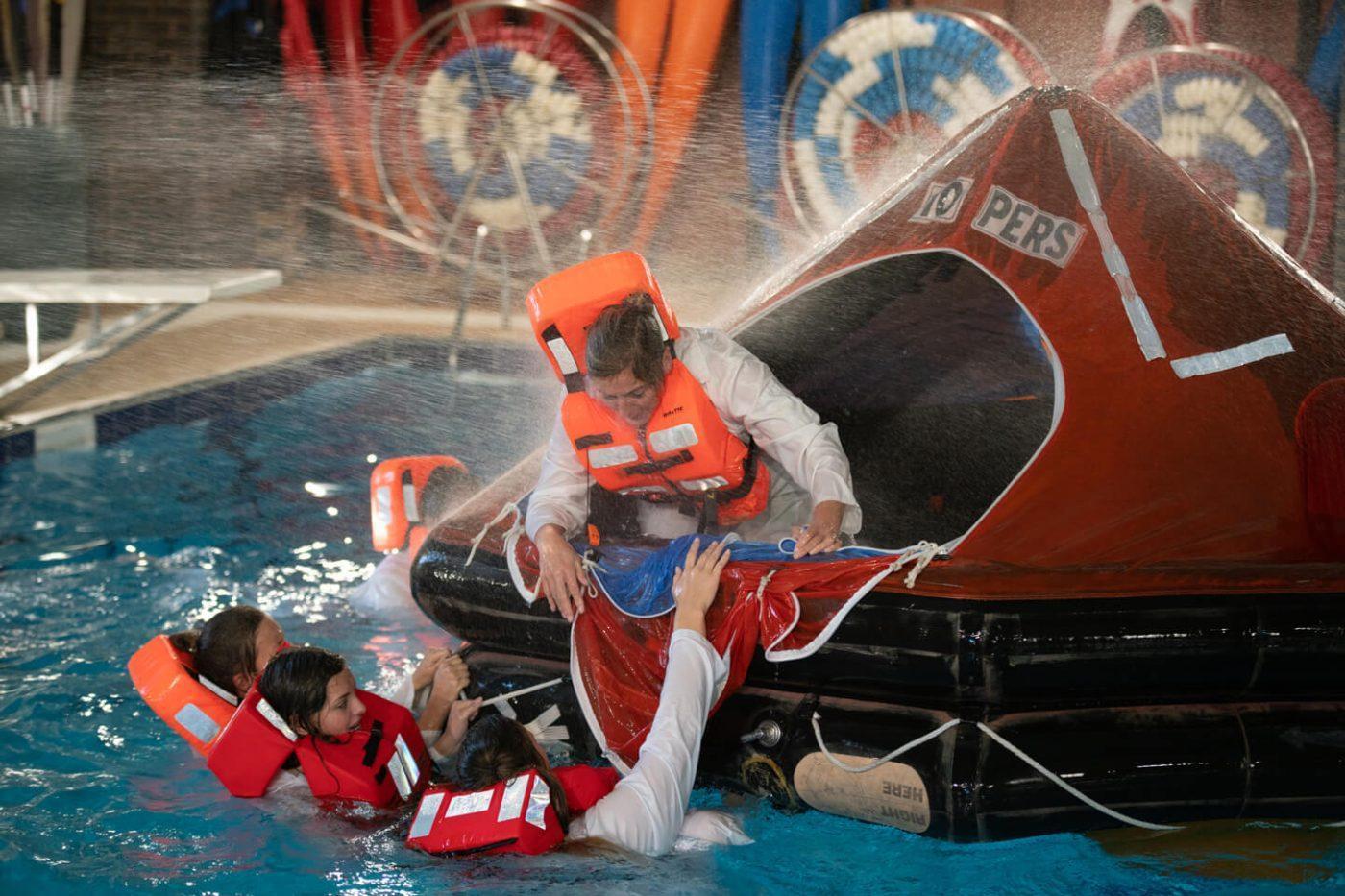
- Personal Survival teaches seafarers how to stay alive during emergencies like leaving a sinking ship or being stuck in the ocean. You learn how to use life-saving equipment, such as life jackets and life rafts, and practice essential survival techniques.
- Personal Safety and Social Responsibilities course emphasises the importance of maintaining a safe working environment and promoting a positive culture onboard. You will learn about safety, well-being, working at sea, the environment, and being responsible and working together.
- Elementary First Aid course teaches Seafarers basic first aid skills. These skills are for immediate medical help onboard in case of injuries or illnesses. Learn how to assess and treat common injuries, perform CPR, and handle medical emergencies until professional help arrives.
- Proficiency in Security Awareness course raises awareness among Seafarers about the potential security threats they may encounter at sea. They learn how to identify and report suspicious activities, implement security measures, and respond appropriately to security incidents.
Book your STCW Training Course here. Our instructors focus on ensuring candidates receive thorough, standards-led training and are prepared to face the challenges of a seafaring career.
Who STCW applies to
STCW Basic Safety Training is required across the entire commercial maritime sector. This includes crew working on cargo vessels, passenger ships, ferries, cruise ships, offshore supply vessels, tankers, and superyachts.
The specific roles that require STCW, and whether additional STCW modules are needed beyond Basic Safety Training, depends on your position and vessel type.
Some senior roles and specialised positions require further STCW courses on top of the basic certification. For detailed information about whether your intended role requires STCW, see our guide on who needs STCW.
What STCW does not cover
STCW Basic Safety Training provides baseline emergency response competencies, but it does not replace role-specific qualifications or experience requirements.
For example, a Deckhand still needs navigation and seamanship qualifications, a Stewardess will need hospitality training, and an engineer needs technical certifications. Some vessels or flag states also require additional training beyond STCW. STCW is the safety foundation, not the complete qualification package for any maritime role.
What happens next
STCW certificates have ongoing validity requirements, which are explained separately in our guide to STCW validity and refresher rules. If you’re wondering whether you specifically need STCW for your role, we’ve covered that in who needs STCW.
For a complete overview of STCW training and how it fits into a maritime career, visit our main STCW guide.
How long is STCW valid for?
Elementary First Aid, PSSR, and PSA don’t expire.
As mentioned above, Seafarers must refresh their STCW Firefighting and Personal Survival certificates every five years. Thankfully, Seafarers don’t get the opportunity to use firefighting equipment or life rafts for real. The STCW Refresher course provides the opportunity for Seafarers to update old and learn new firefighting techniques and protocols. The second part of the course reviews launching a liferaft, survival techniques, and emergency equipment.
Want to work on Superyachts?
If you’re thinking about working as a deckhand or stewardess on a superyacht, you can download our free guide to learn more about getting started in the industry.