
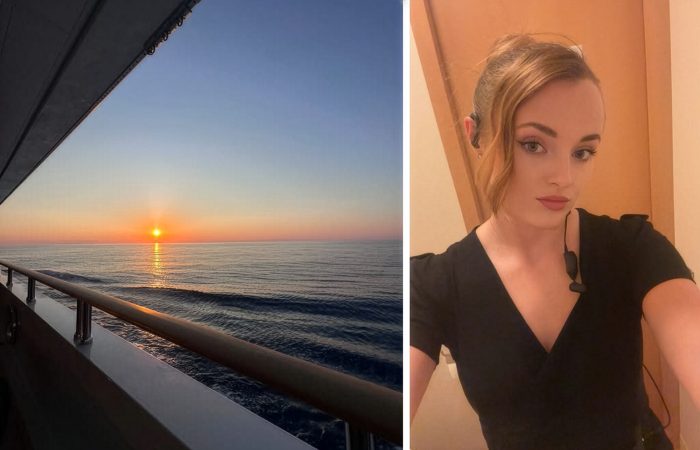
Name: Rylea Monksfield
Role: Yacht Hairdresser/Stewardess
Vessel: 76m Superyacht
Starting point: Qualified hairdresser and barber
Course: Yacht Stewardess Training Course at Flying Fish
Rylea had been cutting hair since she left school at 16, working in a salon and from home. She initially thought about working on cruise ships, but after a conversation with Alice from our team at the Cruise Job Fair in London, she saw how her skills could take her into the superyacht industry.
Two weeks after finishing our Yacht Stewardess Training Course, she was offered a role on a 76m Superyacht as a Hairdresser/Stewardess. Here’s her story.
What were you doing before you decided to work at sea?
Before working at sea, I was a qualified hairdresser and barber. I started my career straight after leaving school at 16 and have continued to develop my skills and experience ever since.
I worked both in a salon and independently from home, allowing me to accommodate a varied and loyal client base.
From the Cruise Job Fair to the Superyacht industry
What made you think about working at sea, and how did you first find out about the superyacht industry?
I first started considering working at sea after being offered an opportunity to work on cruise ships. I attended an open day for cruise lines in London, where I met Alice from Flying Fish.
Through speaking with her, I was introduced to the superyacht industry and the opportunities it could offer.
She helped me see how I could use my existing skills and experience as a qualified hairdresser and barber as a stepping stone into yachting, combining my passion for working with people with the opportunity to travel and experience a different industry.
What made you decide to do your training with Flying Fish?
After speaking with Alice, it sparked an interest for me within the industry. Knowing I was able to use the skills I already had and learn more to build confidence within my role onboard a yacht.
What course did you complete with Flying Fish, and how did it prepare you for working in the superyacht industry?
I completed the 2 week Stewardess Course with Flying Fish, this covered everything interior wise from service to housekeeping.
This was great going forward as it gave me basic knowledge of all round interior duties required onboard.
A Yotspot profile and a job in two weeks
There’s more than one way to land your first role. Alongside crew agencies and heading out to Antibes or Palma to dockwalk, a strong online profile can open doors too. Rylea set up her Yotspot profile, and within two weeks of finishing her course, a Chief Stewardess got in touch.
How did you find your first job after completing your course?
After creating a Yotspot profile I was emailed by a Chief Stewardess from a 76m yacht that required a Hairdresser/Stewardess to complete their team.
How long did it take you to find your first job?
It took me 2 weeks after completing my course to secure a role on board.
Bringing the salon onboard
On a 76-metre yacht, a Stewardess who can also cut and colour hair brings something extra to the interior team. Rylea’s role combines housekeeping with hairdressing for guests and crew.
What is your role onboard, and what does a typical day look like for you?
My primary role onboard is Housekeeper, responsible for maintaining the interior of the yacht to a high standard for both guests and crew.
My day to day responsibilities include managing linen supplies, maintaining housekeeping stock such as cleaning chemicals and stationery, vacuum maintenance and ensuring all interior areas are kept clean, organised and presentable.
I also provide hairdressing services, including haircuts and colouring for guests and crew when required. The role is varied, and I enjoy the balance of maintaining the yacht’s interior while also being able to use my professional hairdressing skills onboard.
What were your first few weeks working onboard like?
The first few weeks onboard are probably the most challenging, but also some of the most important. Every vessel has its own procedures, routines and way of operating, so it’s essential to take the time to learn and understand these.
I was introduced to the safety regulations and emergency procedures onboard, as well as understanding the chain of command and who to report to if any issues arise. It’s also a time to settle into the new environment, get to know the crew and build relationships, particularly within the interior team.
What has been your biggest highlight since starting your career at sea?
My biggest highlight is developing new skills that have helped build my confidence as an individual as well as in my professional life, also meeting some amazing people along the way.
I have made friends for life that feel more like family.
What has surprised you about working in the superyacht industry, good or bad?
One thing that has surprised me is how different people’s perception of the Superyacht industry can be compared to the reality.
From the outside, people often see the travel and lifestyle, but the reality is that it involves a lot of hard work, long hours and commitment.
However, I think that makes the downtime and time off at the end of a season even more rewarding. For me, one of the biggest factors in enjoying life onboard is the people you surround yourself with.
Having a good crew, supporting one another and building strong relationships can make all the difference to your experience working on a yacht.
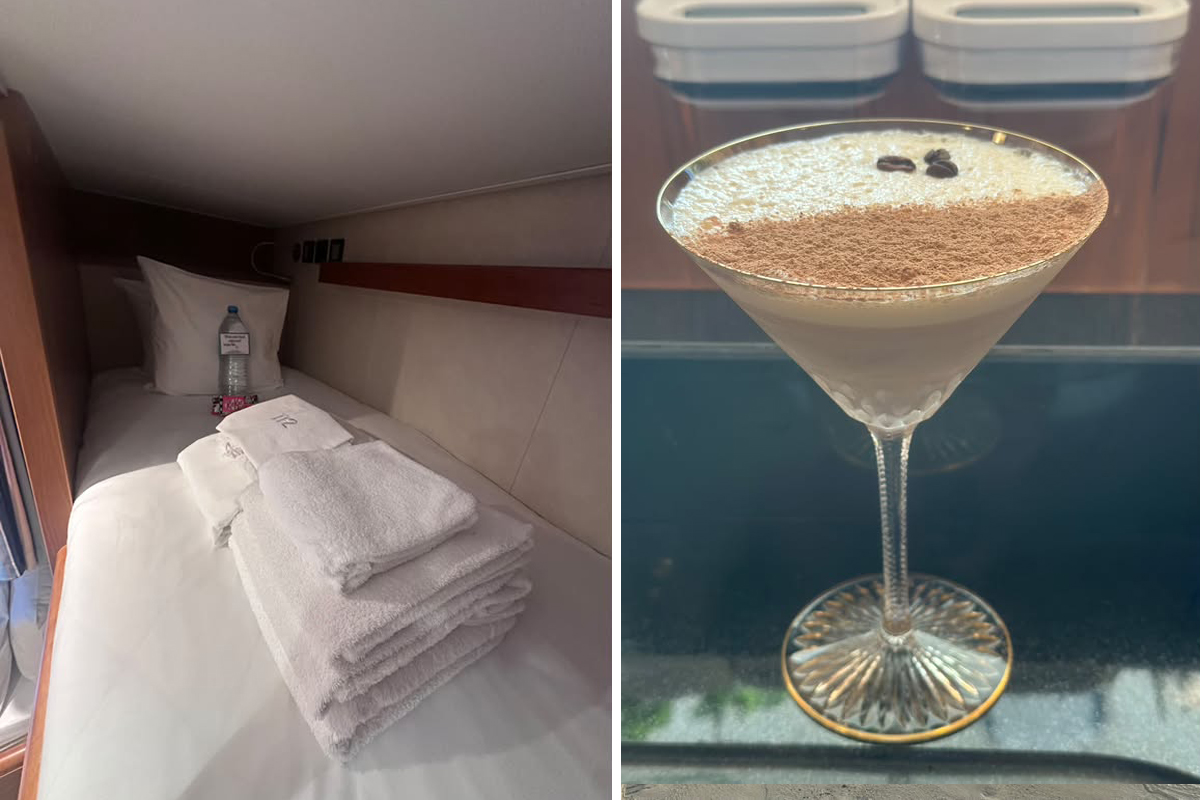
Rylea’s advice for new crew
From the outside, yachting looks like travel and sunshine. Rylea is honest about the hard work behind it and about why the people you work with matter so much.
What advice would you give to someone who is thinking about working on a superyacht but hasn’t taken the first step yet?
My advice would be to go into the industry with an open mind and a willingness to learn. Take as much as you can from every opportunity and experience, as no two yachts operate in exactly the same way.
Being adaptable is extremely important, and you need to be prepared to adjust to different environments, routines and crew dynamics.
Don’t put too much pressure on yourself when starting out; everyone has to learn at some point.
Be willing to listen, ask questions and take on feedback, but most importantly, remember why you’re there. It’s a job, and hard work, professionalism and a positive attitude go a long way.
Start your own journey
Already have a skill like hairdressing, beauty, massage or hospitality? It could be your way into yachting, as it was for Rylea. Our two-week Yacht Stewardess Training Course covers interior duties from service to housekeeping, so you can step onboard with confidence.
Not sure where to start? Download our free guide